

Effective Techniques on How to Train a Rottweiler Puppy Not to Bite
Understanding how to train a rottweiler puppy not to bite can enhance their social interactions.
Training a Rottweiler puppy can seem daunting, but with the right methods and a positive mindset, it can be a rewarding experience. In this guide, we will explore various strategies that can help you successfully train your Rottweiler puppy while ensuring they grow into well-behaved adults. Let’s delve into effective techniques that will not only teach your puppy essential commands but also build a strong relationship between you and your furry friend.
We will specifically focus on how to train a rottweiler puppy not to bite using positive reinforcement.
Rottweilers are one of the most trainable dog breeds in the world — but only when their owners understand how their minds work. Unlike golden retrievers who live to please, Rottweilers are thinking dogs that require a different approach to training. They respect confident, consistent leadership and respond poorly to harsh punishment or wishy-washy commands.
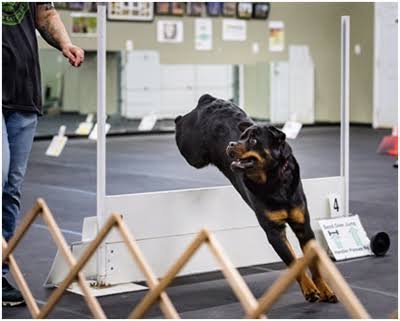
This approach is critical in knowing how to train a rottweiler puppy not to bite effectively.
Understanding the psychology of Rottweilers is key to successful training. They are naturally protective and loyal dogs, which means their training should emphasize positive reinforcement rather than punitive measures. For instance, instead of scolding your puppy for unwanted behaviors, redirect their attention to more appropriate activities. This method not only teaches them what is expected but also strengthens your bond through trust and respect.
Implementing techniques on how to train a rottweiler puppy not to bite can significantly improve their behavior.
Another effective technique is to use treats and praise to motivate your Rottweiler. When your puppy follows a command, reward them immediately with a treat and verbal praise. This positive reinforcement encourages them to repeat the behavior. For example, when teaching the ‘sit’ command, hold a treat above your puppy’s head and move it back slightly. As they sit to reach for the treat, immediately praise them and give them the treat.
Rewards are essential when determining how to train a rottweiler puppy not to bite.
In conclusion, teaching your Rottweiler puppy not to bite is an essential component of their development and can be achieved through effective techniques such as positive reinforcement, consistency, socialization, and plenty of play. By understanding how to train a Rottweiler puppy not to bite, you will set the foundation for a strong, trusting relationship with your furry companion. Enjoy the journey of training, and remember that patience and love go a long way in raising a well-behaved dog.
In essence, understanding how to train a rottweiler puppy not to bite ensures a harmonious environment.
Consistency is crucial in training. Ensure that all family members use the same commands and rules to avoid confusing your puppy. For example, if one person allows the puppy on the furniture and another does not, it will create inconsistency in the puppy’s training. Establish clear boundaries and stick to them to help your Rottweiler understand what behaviors are acceptable.
Being consistent is another part of how to train a rottweiler puppy not to bite effectively.
Socialization is another vital aspect of training. Expose your Rottweiler puppy to different people, environments, and other animals. This exposure will help them become well-adjusted adults. Arrange playdates with other dogs, take them to puppy training classes, or simply walk them in different areas. The more experiences your puppy has, the more confident and less fearful they will become.
When considering how to train a rottweiler puppy not to bite, remember to socialize them to various stimuli.
It’s also important to incorporate play into training. Games like fetch or tug-of-war can be excellent for teaching commands such as ‘drop it’ or ‘come.’ These activities not only provide exercise but also reinforce your training efforts in a fun way. Keep sessions short and engaging to maintain your puppy’s attention and enthusiasm.
Fun games can also be an excellent way to explore how to train a rottweiler puppy not to bite.
Training should be a positive experience for both you and your puppy. If your Rottweiler seems disinterested or frustrated, take a break and try again later. Adjust your training methods as needed to keep your sessions enjoyable and productive. Patience is key; every puppy learns at their own pace, and fostering a love for learning can set the foundation for a well-trained adult dog.
Keeping the training light can be the key in how to train a rottweiler puppy not to bite.
Finally, always remember to end each training session on a positive note. Whether that means giving them a treat for a job well done, a favorite toy to play with, or simply some affectionate petting, ending positively reinforces their learning and keeps their spirits high.
Recommended Resources & Care Guides
- AKC Rottweiler Official Breed Standard — Learn about official breed standards and temperament characteristics from the American Kennel Club.
- Rottweiler Health Foundation (RHF) — Explore medical research, breed-specific health issues, and hereditary conditions in Rottweilers.
- Merck Veterinary Manual – Canine Care — Access comprehensive veterinary guidelines for giant breed nutrition and daily pet wellness.

Clinton Ndifor
Clinton Ndifor is a passionate AKC Rottweiler enthusiast, experienced trainer, and founder of Rottweiler Chronicles. With over a decade of hands-on experience raising, breeding, and socializing German Rottweilers, Clinton advocates for complete health testing (OFA hips, elbows, heart, eyes) and positive reinforcement training to raise healthy, balanced companions.